Not About Eating Bland — But Using Natural Flavours Wisely

Every year, 29 September marks World Heart Day. When it comes to heart health, many people immediately think of cutting out oil and salt—or even assume that healthy food must be bland.
In fact, improving your diet does not mean giving up flavour. By making good use of tomatoes, onions, garlic, ginger, lemon, vinegar, herbs and natural spices, you can create richly flavoured home-cooked dishes even with less salt and fewer ready-made sauces.
Healthy eating is not about one particular “superfood”, but the overall balance of your diet. Choose more vegetables, fruit, whole grains, pulses, fish and unsalted nuts, while cutting back on foods high in sodium or sugar and on highly processed foods.
These three simple recipes will help you care for your heart, starting with an everyday meal.
Recipe 1: Baked Salmon with Tomato and Onion
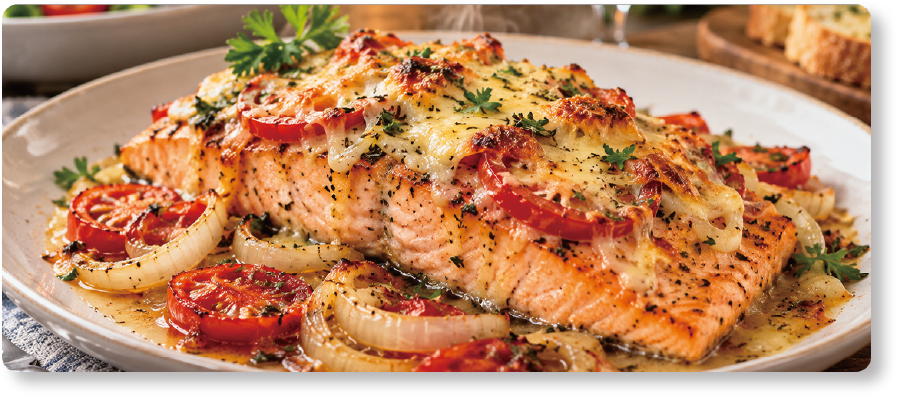
Ingredients (Serves 2)
- 2 salmon fillets
- 2 tomatoes
- ½ onion
- 1 teaspoon minced garlic
- Lemon juice, to taste
- Black pepper, to taste
- 1 teaspoon olive oil
Method
- Preheat the oven to 180°C.
- Cut the tomatoes and onion into pieces and arrange them on a baking tray.
- Place the salmon on top of the vegetables. Add the minced garlic, black pepper, lemon juice and olive oil.
- Bake for approximately 15 minutes. Adjust the cooking time according to the thickness of the fillets, ensuring that the salmon is thoroughly cooked.
- Add a little more lemon juice before serving for an extra touch of freshness.
Healthy Cooking Tip
Tomatoes provide a fresh, naturally sweet flavour, while onions develop their own natural sweetness when cooked. Combined with garlic, black pepper and lemon, they create a flavourful dish without the need for soy sauce or ready-made sauces.
The American Heart Association recommends eating around two servings of fish per week, particularly oily fish such as salmon, mackerel and sardines.
Recipe 2: Oat, Tofu and Vegetable Congee
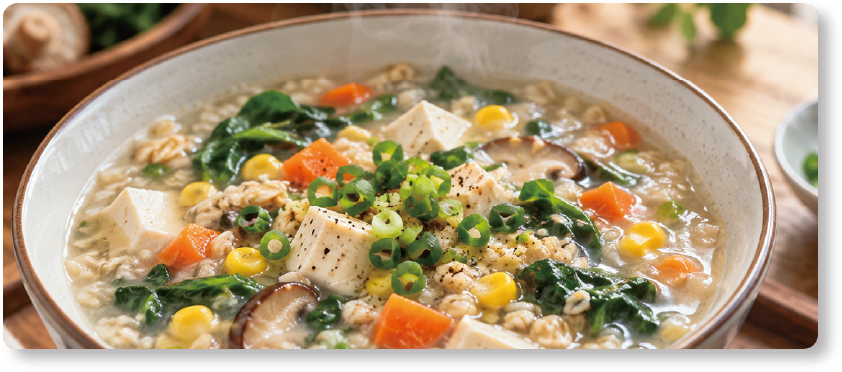
Ingredients (Serves 2)
- 80 g rolled oats
- ½ block firm tofu
- 2 dried shiitake mushrooms
- ½ carrot
- 1 bowl of bok choy or spinach
- Shredded ginger, to taste
- White pepper, to taste
- Approximately 600 ml water
Method
- Soak the dried shiitake mushrooms until softened, then slice them. Dice the carrot and cut the tofu into small cubes.
- Place the mushrooms, carrot and water in a saucepan and cook for approximately 5 minutes.
- Add the oats and tofu, then cook for another 5 minutes, stirring gently from time to time.
- Add the bok choy or spinach and shredded ginger. Cook until the vegetables are tender.
- Season with a small amount of white pepper before serving.
Healthy Cooking Tip
Congee is often flavoured with minced meat, preserved egg, salted egg, stock powder or a generous amount of soy sauce, which can easily increase its sodium content. Using oats, tofu, shiitake mushrooms and vegetables instead provides whole grains, plant-based protein and dietary fibre in one dish.
Shiitake mushrooms, carrots and shredded ginger each bring their own distinctive flavours, so there is little need for large amounts of additional seasoning.
Recipe 3: Warm Pumpkin and Chickpea Salad
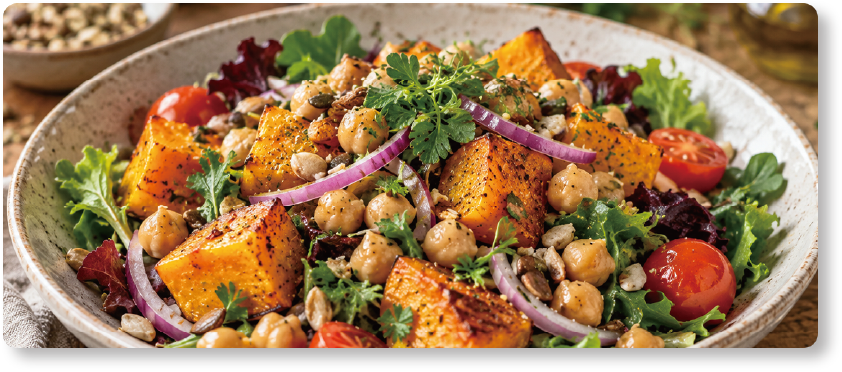
Ingredients (Serves 2)
- Approximately 300 g pumpkin
- 1 cup no-added-salt chickpeas
- 1 bowl of broccoli or bell peppers
- A small handful of unsalted walnuts
- 1 tablespoon lemon juice
- 1 teaspoon olive oil
- Black pepper, to taste
Method
- Cut the pumpkin into small pieces and the broccoli into small florets.
- Steam the pumpkin and broccoli until tender.
- Add the chickpeas and unsalted walnuts.
- Drizzle with the lemon juice and olive oil. Add the black pepper and mix well.
- Serve warm, or refrigerate and enjoy as lunch the following day.
Healthy Cooking Tip
Chickpeas are a type of pulse that provides plant-based protein and dietary fiber. The natural sweetness of pumpkin pairs well with the acidity of lemon juice, removing the need for high-sodium salad dressings.
When buying canned chickpeas, choose no-added-salt or low-sodium options whenever possible. If using regular canned chickpeas, drain the liquid, then rinse them thoroughly with water and drain again before use.
5 Ways to Make Low-Salt Meals Tastier
1. Add Acidity Before Salt
Lemon juice, tomatoes and vinegar enhance flavour. Add them first, taste, then decide whether salt or soy sauce is needed.
2. Serve Sauces on the Side
For dim sum, chicken, vegetables or hotpot, dip lightly instead of pouring sauce over food. This makes portions easier to control.
3. Check Labels and Rinse Canned Foods
Choose no-added-salt or low-sodium beans, fish and vegetables. Drain and rinse regular canned beans before use.
4. Follow the ½ + ¼ + ¼ Plate Guide
Aim for:
½ vegetables
¼ whole grains or other staples
¼ fish, tofu, beans, eggs or lean meat
This creates a balanced meal without counting calories.
5. Limit All Types of Salt
Sea salt, rock salt and “natural” salts still contain sodium. Use less salt and high-sodium seasonings, and limit processed meats, instant foods, thick soups and ready-made sauces.