Summer Skin Alert! Beware of “Photosensitive Foods” and Medications That Can Undermine Your Sun Protection


In the scorching summer heat, we are accustomed to taking sun protection measures like applying sunscreen, wearing hats, and sunglasses. However, some individuals still experience abnormal redness, swelling, itching, or even tan exceptionally quickly, even with thorough sun protection.
This might not just be due to insufficient sun protection, but rather overlooking a hidden “invisible factor”—photosensitive foods and certain photosensitive medications. When certain substances interact with ultraviolet (UV) rays, they can trigger a photosensitivity reaction, making the skin more sensitive to sunlight and potentially causing symptoms similar to sunburn or dermatitis.
This newsletter will delve into this often-overlooked “sun protection blind spot” and provide practical tips for diet and medication use, helping you protect your skin more comprehensively this summer.
What is a Photosensitivity Reaction?
A photosensitivity reaction occurs when the skin comes into contact with certain substances (either orally or topically) and is then exposeto UV radiation (especially UVA), leading to an abnormal skin response. There are two main types:
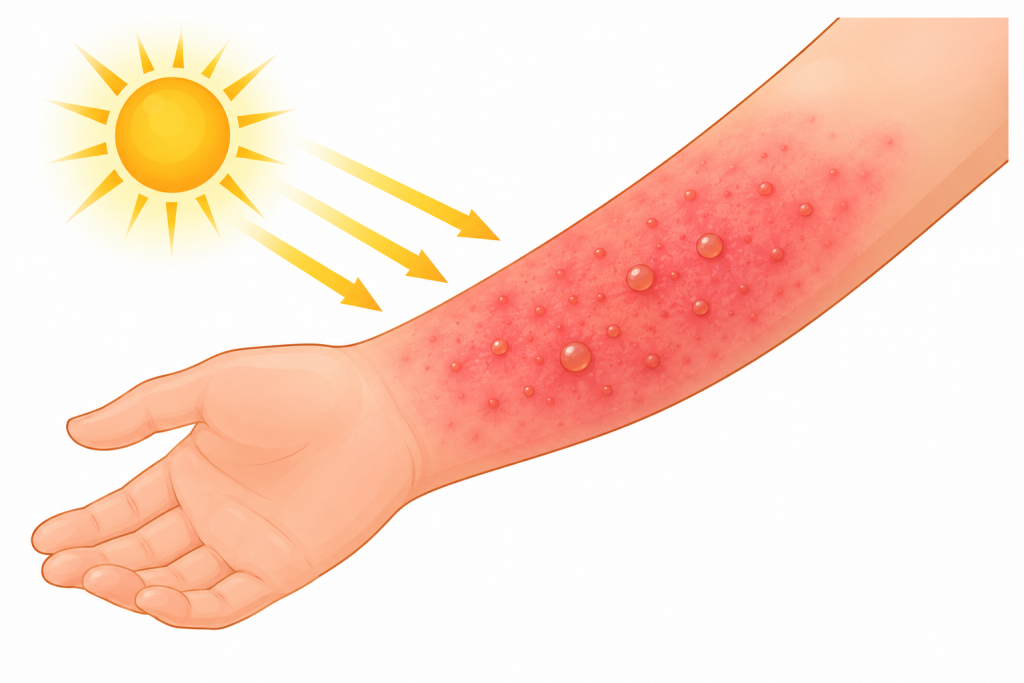
Phototoxic Reaction
This is the most common type and does not involve immune sensitization. When the skin comes into contact with a phototoxic substance and is then exposed to UV radiation, reactions can typically appear within hours, such as skin redness, burning, stinging, or blistering. The appearance is similar to a severe sunburn, and in some cases, it may leave behind hyperpigmentation.
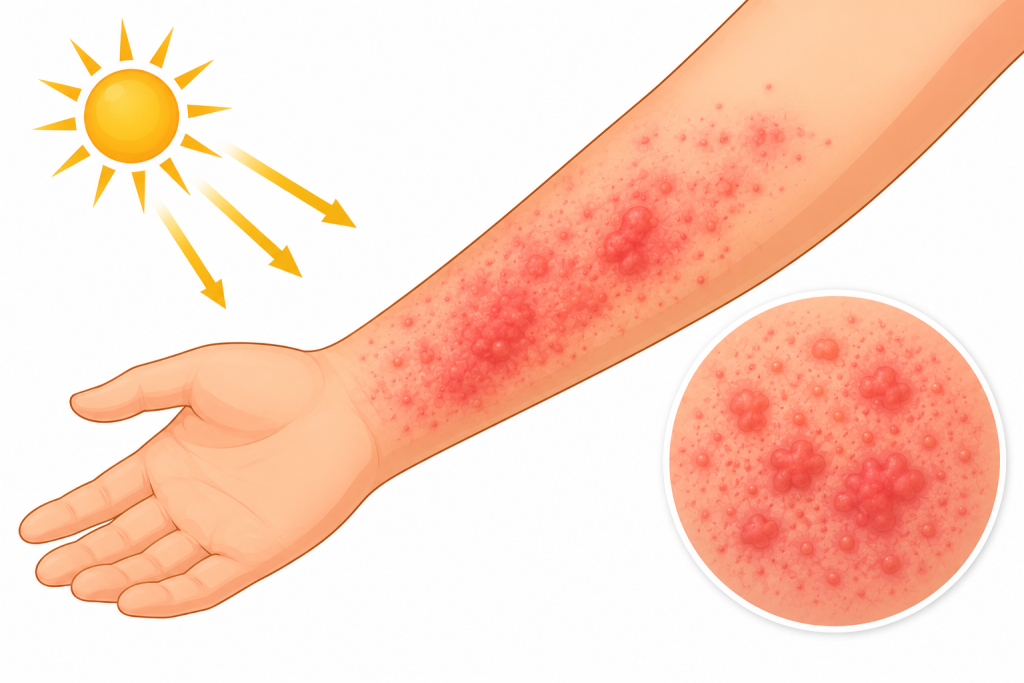
Photoallergic Reaction
This type is less common and involves an immune response. The body must first become sensitized to a substance, and then exposure to UV radiation triggers the reaction. Symptoms often appear 24 to 72 hours later, including rashes, itching, or dermatitis-like skin conditions.
Common “Photosensitive Foods” in Summer
A photosensitivity reaction occurs when the skin comes into contact with certain substances (either orally or topically) and is then exposed to UV radiation (especially UVA), leading to an abnormal skin response. There are two main types:
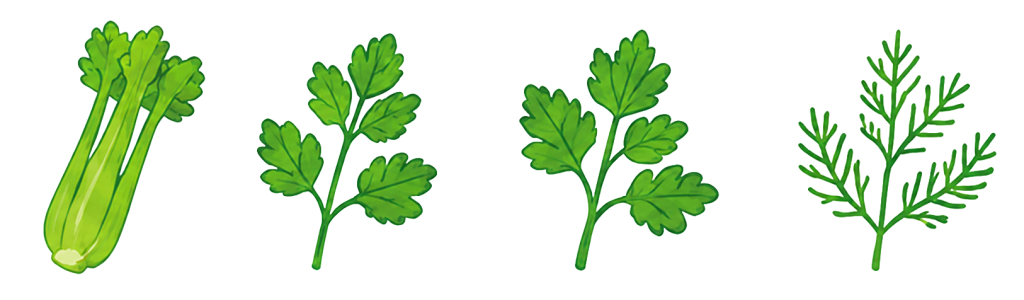
Vegetables and Herbs:
Fruit:
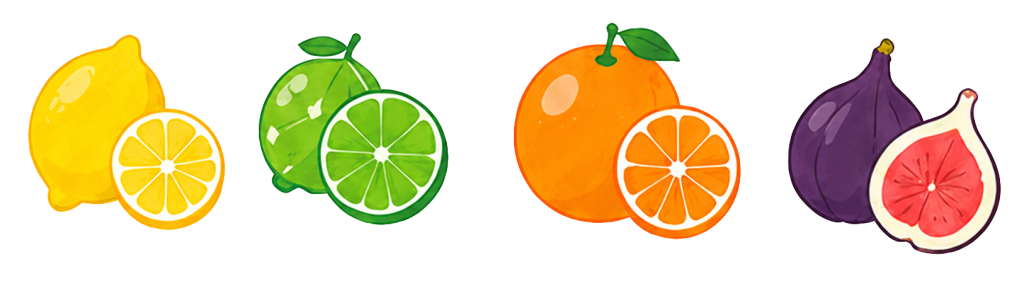
When the juice from these plants remains on the skin and is then exposed to the sun, it can cause rashes, blisters, or a burning sensation, often followed by irregular hyperpigmentation.
⚠️ It’s important to note that in most cases, the reaction is triggered when plant juice comes into contact with the skin before sun exposure, not simply by consuming the food.
Daily Precautions
To reduce the risk of photosensitivity reactions, consider the following:
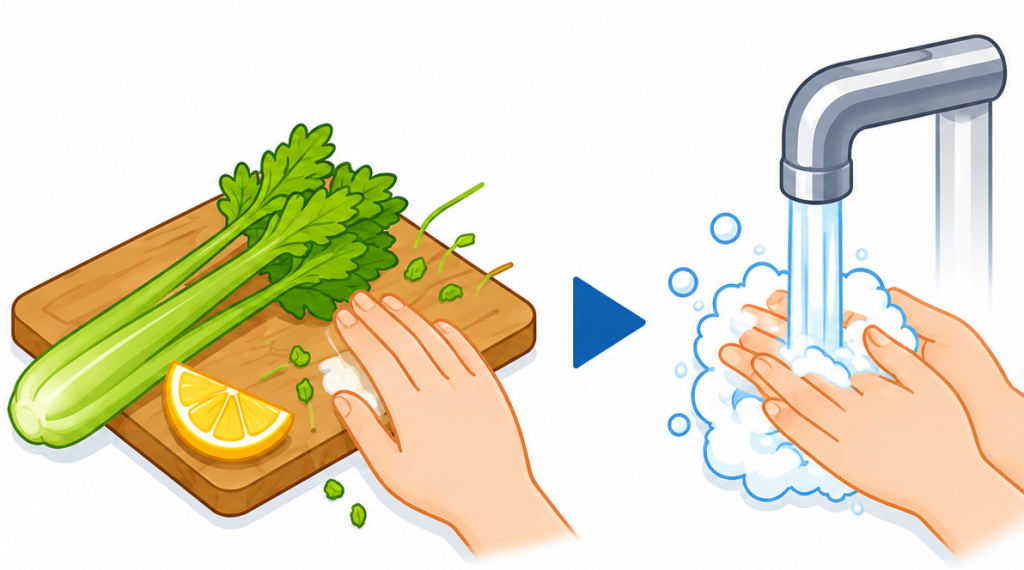
1. Wash your hands and skin immediately after handling plants, especially citrus fruits or celery.
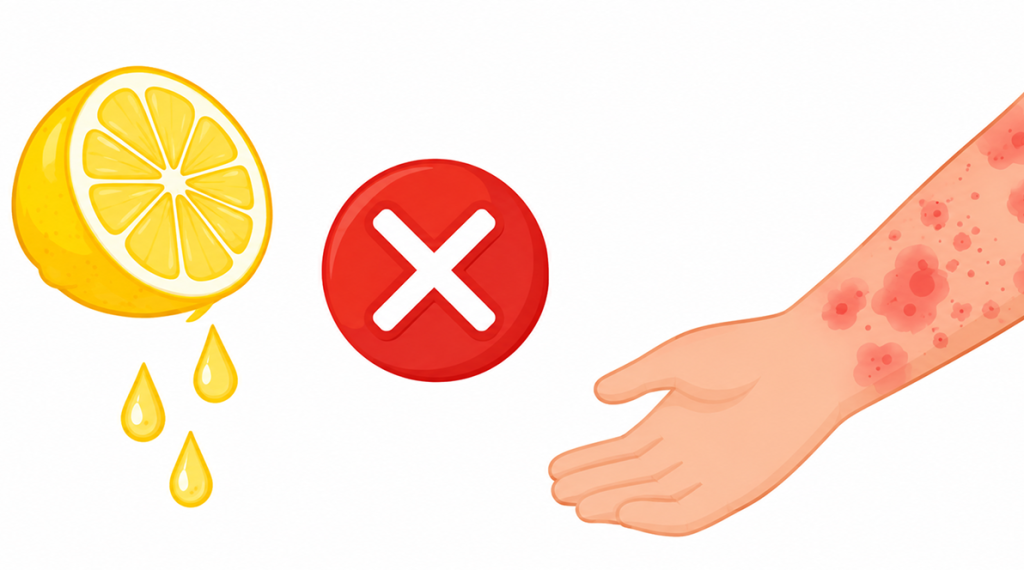
2. Avoid applying natural ingredients like lemon juice directly to your skin, as this is more likely to trigger a photosensitivity reaction during the day.
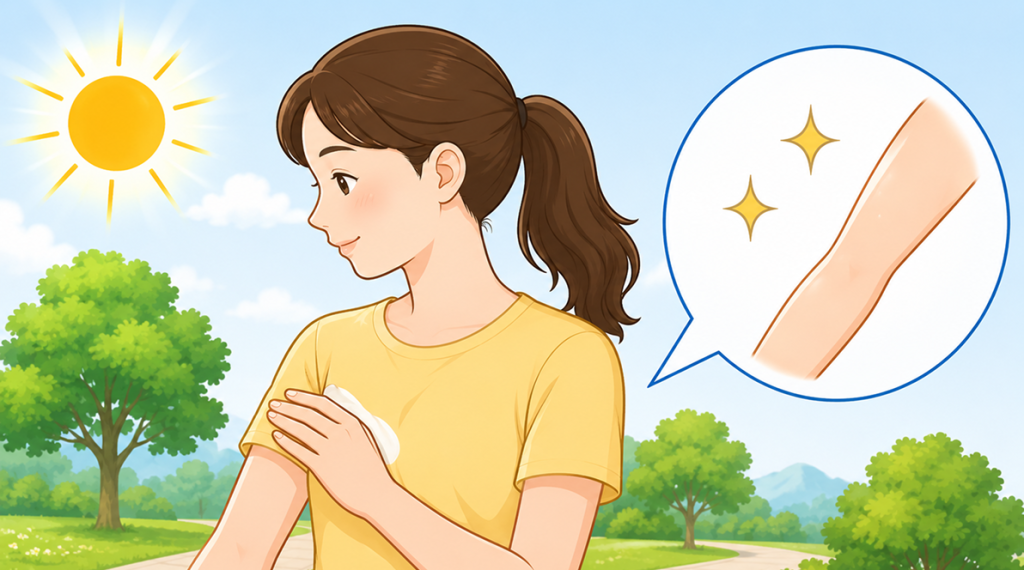
3. Before outdoor activities, ensure no plant juices remain on your skin. Cleanse your skin if necessary before going outside.
Hidden Risk: Photosensitive Medications
Certain medications can also increase the skin’s sensitivity to UV radiation, leading to drug-induced photosensitivity reactions.
Common medications that may cause photosensitivity include:
- Antibiotics: Tetracyclines, sulfonamides
- Diuretics: Thiazide diuretics
- Non-steroidal anti-inflammatory drugs (NSAIDs): Such as naproxen
- Cardiovascular medications: Amiodarone
- Skin treatment medications: Oral isotretinoin (may increase UV sensitivity), some topical acne medications like benzoyl peroxide or salicylic acid.
Additionally, some health supplements, such as St. John’s Wort, can also increase the risk of photosensitivity reactions.
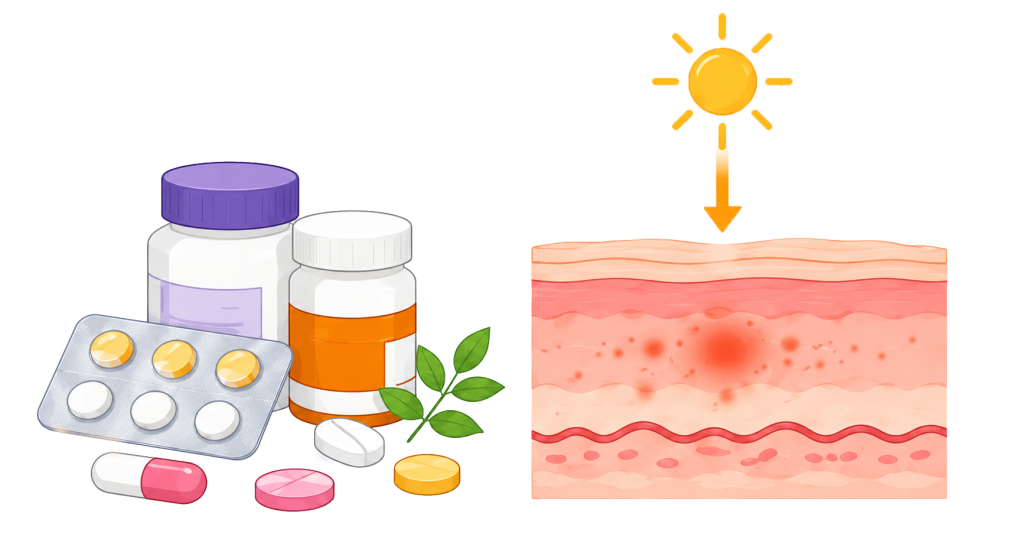
Sun Protection Recommendations During Medication Use
If you are taking medications that may cause photosensitivity, it is recommended to:
- Read the medication leaflet to check for photosensitivity warnings.
- Consult your doctor or pharmacist if necessary.
- Enhance your daily sun protection measures, such as using sunscreen with an SPF of 30 or higher.
- Wear hats and sun-protective clothing to avoid prolonged exposure to strong sunlight.
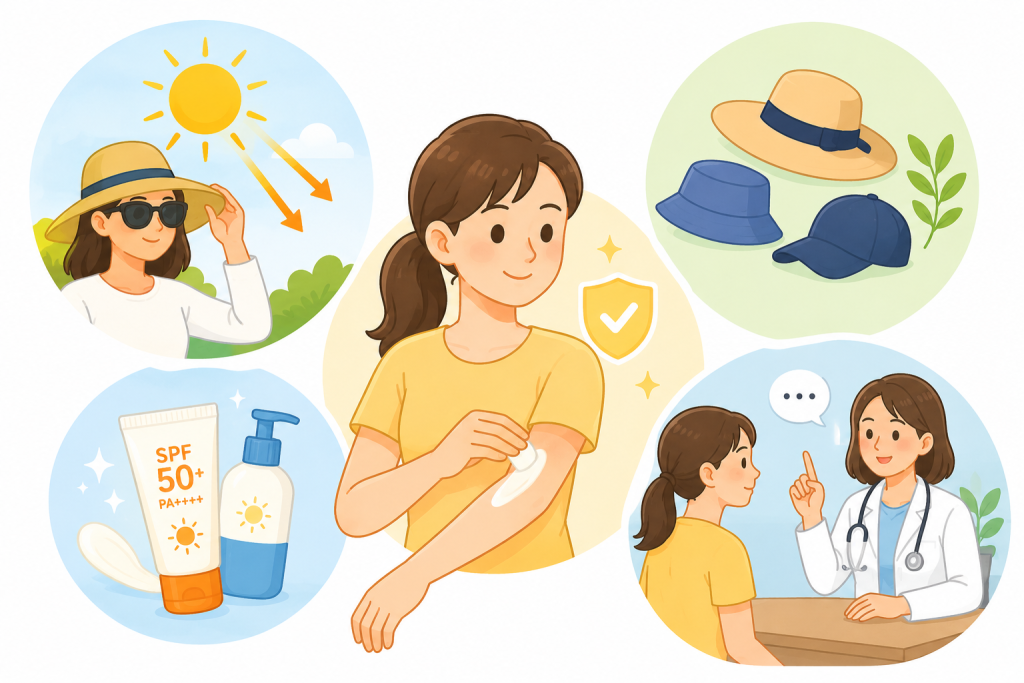
While summer sunshine is invigorating, it can also hide risks to skin health. “Photosensitive foods” and “photosensitive medications” are often overlooked sun protection blind spots. By understanding the causes of photosensitivity reactions and paying extra attention to your diet, medication use, and outdoor activities, you can protect your skin more comprehensively, enjoying the sun while minimizing the risk of skin damage.
Back to the list