Busy Day, Restless Night? 5 Daily Habits to Improve Your Sleep.


We’ve all been there: a day spent juggling work and family, and finally, the moment to rest arrives. But as you lie in bed, sleep feels out of reach. For others, falling asleep is easy, but waking up repeatedly throughout the night leaves them feeling exhausted the next morning—as if they hadn’t slept at all.
If this sounds familiar, please don’t be too hard on yourself. Sleep quality is influenced by a complex mix of routine, diet, environment, and overall physical condition. It is important to remember that sleep is not just “rest”; it is the critical window for “cellular repair” and “immune support.”
To improve your sleep and reclaim your energy, try observing and adjusting these five daily habits:
1. Synchronize Your Biological Clock: Start with a Consistent Wake-Up Time
Do you wake up early on weekdays but sleep in until noon on weekends?
Significant fluctuations in your sleep schedule can disrupt your body’s natural circadian rhythm. Try to go to bed and wake up at similar times every day, even on weekends. Start by picking a sustainable wake-up time and gradually adjust your evening routine to align with it, allowing your body to find its natural flow.
2. Audit Your Caffeine “Timeline”
The caffeine found in coffee, tea, and energy drinks can remain active in your system for several hours.
If you find it difficult to fall asleep, try tracking the time of your last caffeinated drink. Experiment by moving your last cup to the early morning or noon, or switch to caffeine-free alternatives in the afternoon to see how your sleep quality changes.
3. Create a “Pre-Sleep Buffer Zone” to Power Down Your Brain
Checking messages, binge-watching shows, or thinking about work after the lights go out keeps your brain in an alert state, delaying the onset of sleep.
We recommend reducing screen time (blue light exposure) at least one hour before bed. Instead, try reading a physical book, listening to soothing music, or practicing a simple relaxation exercise. Write down tomorrow’s to-do list and place your phone out of reach to give yourself a sanctuary of peace.
4. Be Mindful of Late Dinners and Alcohol
Eating a heavy meal late at night forces your digestive system to work overtime while you sleep, which can prevent you from reaching deep, restorative sleep stages. Similarly, while alcohol may help you fall asleep faster, it disrupts your sleep architecture, often leading to fragmented sleep and midnight awakenings. If a late dinner is unavoidable, opt for light, easily digestible portions.
5. Optimize Your Environment: Build a “Sleep Sanctuary”
Light, sound, and temperature directly impact the depth of your sleep. Keep your bedroom as quiet, dark, and cool as possible. Start with one small change: block out external streetlights, turn off non-essential notifications, or adjust your bedding to find the temperature that best allows you to relax.

It’s Not Just About “Sleeping” But “Recovering”
Sleep Habits × 24 Hour Nutritional Support

Many people find that even with enough hours of sleep, they still wake up feeling fatigued. This is often because the body’s “recovery efficiency” has declined. Since sleep is the golden window for self-repair, pairing healthy habits with the right nutritional support can help your body recover its vitality more effectively.
We recommend supplementing with Fucoidan while adjusting your sleep habits. Fucoidan helps support the immune system at a cellular level. During deep sleep, it assists the body in more effectively clearing fatigue substances and repairing damaged cells, ensuring you wake up not only refreshed but with a more resilient physical condition.
To achieve the optimal balance of vitality and recovery, we suggest a “Day & Night” nutritional regimen
☀️ Morning / Energize Your Day
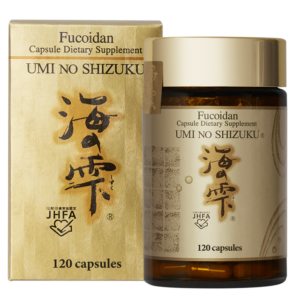
1–2 capsules of the [Classic Fucoidan] Kickstart your day with vitality and provide your body with natural health support to face a busy schedule.
🌙 Evening / Rest & Nutritional Support

1–2 capsules of the [Limited Edition] Maximize recovery benefits during deep sleep, soothing the day’s fatigue and allowing cells to renew efficiently.
Combine “Healthy Sleep Habits” with “Day & Night Nutritional Support” for the most comprehensive care for your body.
These products are not sleep aids and do not replace medical evaluation or treatment for sleep disorders. Wellness starts with stable daily habits.
Your One-Week Sleep Observation Log
Try tracking these data points for one week to identify your patterns:
◾ No. of Days
◾ Bedtime & Wake-up time
◾ Time of last caffeine intake
◾ Pre-sleep activities
◾ Next-day energy level (1–10)
When should you seek professional help?
If you continue to struggle with insomnia after adjusting your habits, or if you experience severe snoring or interrupted breathing during sleep, we recommend a medical evaluation. While healthy habits are the foundation of wellness, professional treatment can address underlying medical issues.
This month, choose one small change you can commit to. Making time for rest is an essential part of taking care of yourself every day.
Back to the list