Does Drinking Coffee Make You Fart and Rush to the Bathroom?


Your Gut Might Be Trying to Tell You Something!
For many people, a cup of coffee is the perfect way to start the day. But have you ever experienced this?
☕ Just a few sips of coffee, and your stomach starts rumbling.
💨 You suddenly start passing gas much more often.
🏃 Before you even finish your coffee, you’re rushing to the bathroom.
If it only happens occasionally, coffee may simply be stimulating your digestive system. But if it happens every time you drink coffee, it could be a sign that your gut is more sensitive than usual.
Why Does Coffee Make You Fart?
The caffeine in coffee stimulates intestinal contractions, speeding up the movement of food and gas through the digestive tract. As a result, many people feel the urge to have a bowel movement shortly after drinking coffee, and increased gas may also be released more quickly.
Coffee can also stimulate stomach acid production. For people with sensitive digestive systems, this may lead to bloating, abdominal discomfort, or even diarrhea.
If you’re drinking coffee with milk and have lactose intolerance, undigested lactose can further increase gas production and bowel movements.
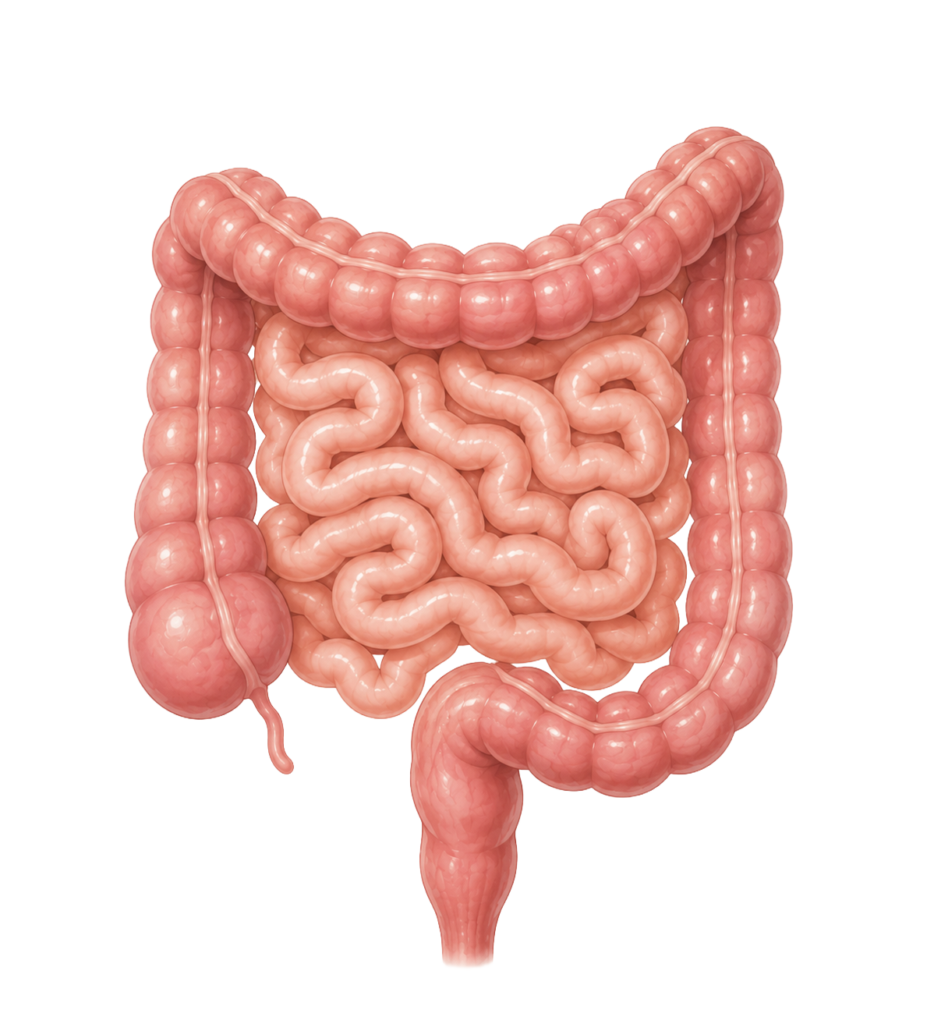
If It Happens Frequently, Don’t Overlook Irritable Bowel Syndrome (IBS)
Irritable Bowel Syndrome (IBS) is a common functional gastrointestinal disorder. Although the intestines appear structurally normal, they become overly sensitive to various triggers, leading to recurring digestive discomfort. Common symptoms include:
- Abdominal pain or discomfort (usually relieved after a bowel movement)
- Diarrhea, constipation, or alternating between both
- Bloating and excessive gas
- Symptoms that worsen during periods of stress, lack of sleep, or irregular eating habits
Coffee Isn’t the Only Trigger
Everyone’s digestive system has different sensitivities, but common triggers include:
- Coffee and other caffeinated beverages
- High-fat or spicy foods
- Alcohol
- Dairy products (especially for people with lactose intolerance)
- Chronic stress and anxiety
- Irregular schedules and insufficient sleep
Identifying your own dietary and lifestyle triggers is often more effective than completely avoiding certain foods.

Build Daily Habits for a Happier Gut
If you’d like to reduce digestive discomfort, start with small daily habits:
✔ Pay attention to which foods trigger your symptoms.
✔ Avoid drinking large amounts of coffee on an empty stomach.
✔ Eat regular meals and chew your food thoroughly.
✔ Maintain regular exercise and get enough sleep.
✔ Learn to manage stress to help both your gut and overall well-being.
Your digestive system works hard every day. It deserves consistent, long-term care—not just attention when symptoms appear.


Many people also choose to include dietary supplements as part of their daily wellness routine. Fucoidan, a natural polysaccharide extracted from brown seaweed, can be incorporated into a balanced diet and healthy lifestyle as part of a long-term wellness regimen.
🌿 There are no shortcuts to gut health. Lasting digestive wellness starts with healthy eating, good sleep habits, regular routines, and consistent self-care.