Spring Allergy Season: Nutrition and Respiratory Care Strategies


Spring is a season of renewal—flowers bloom, plants flourish, and nature comes alive again. However, for many people who are prone to allergies, spring also marks the peak of allergy season. Symptoms such as nasal congestion, sneezing, runny nose, and itchy throat can significantly affect daily life and overall well-being.
Scientific research suggests that in addition to environmental control and medical treatment, dietary choices play an important role in allergy management. With the right nutritional strategies, it is possible to help regulate immune responses and ease allergy symptoms—allowing you to breathe more comfortably throughout the season.
Understanding Allergic Reactions: The Role of the Immune System
At the core of allergic reactions is an overreaction of the immune system to allergens such as pollen and dust mites. When allergens enter the body, the immune system releases histamine, causing swelling of the nasal passages and increased mucus secretion, which leads to symptoms such as nasal congestion and sneezing.
Besides avoiding allergens, scientifically supported dietary approaches can also help regulate immune responses and reduce the severity of allergies.

Dietary Strategies: Relieving Allergies Through Nutrition
During spring, pollen levels are relatively high, so minimizing exposure to pollen is a basic preventive measure. In addition to wearing masks outdoors and avoiding going outside during peak pollen periods, dietary adjustments can also provide additional support.

1. Increase Intake of Antioxidants and Polysaccharides
Research suggests that foods rich in antioxidants—such as fresh fruits and vegetables—can help neutralize free radicals in the body and reduce the likelihood of excessive immune responses. For example, vitamin C–rich fruits like oranges and kiwifruit, as well as dark green vegetables such as spinach, not only help strengthen the immune system but also provide anti-inflammatory benefits.
In addition, seaweeds such as kelp and nori contain abundant polysaccharides and antioxidant compounds that may help regulate immune responses and reduce allergy symptoms. The mucopolysaccharides found in seaweed also possess natural lubricating and moisturizing properties, which may help relieve dryness or irritation in the respiratory tract.
2. Supplement Omega-3 Fatty Acids
In addition to antioxidants and polysaccharides, Omega-3 fatty acids also have anti-inflammatory effects.
Multiple studies have shown that Omega-3 found in deep-sea fish such as salmon and mackerel can effectively reduce respiratory inflammation and alleviate nasal swelling and mucus secretion caused by allergies.


3. Immune-Regulating Effects of Probiotics
In recent years, probiotics have gained significant attention for their role in supporting immune regulation. Some studies suggest that consuming probiotic-rich foods can help maintain a balanced gut microbiota, which in turn supports immune function and may reduce the occurrence of allergic rhinitis.
Good sources of probiotics include yogurt and fermented foods such as sauerkraut and kimchi.
Note: These fermented foods often contain relatively high levels of sodium (salt), and excessive intake may have negative health effects. Therefore, it is recommended to consume probiotic foods in moderation and to monitor overall salt intake to help maintain a stable and healthy immune environment.
Dietary Strategies: Relieving Allergies Through Nutrition

1. Maintain Adequate Hydration
In addition to choosing appropriate foods, maintaining adequate hydration is equally important. Drinking enough water helps thin nasal mucus, keeps the respiratory tract moist, reduces thick or sticky secretions, and assists the body in clearing allergens. It is recommended to drink at least 1.5 liters of water per day and to avoid sugary beverages, which may contribute to other health concerns.
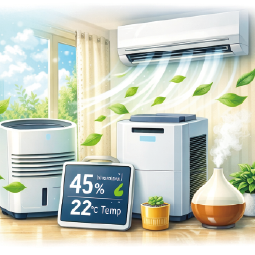
2. Improve Indoor Environmental Quality
Improving air quality at home is also essential for allergy management. Using an air purifier equipped with a HEPA filter can effectively remove airborne allergens such as pollen and dust mites, helping to reduce allergen buildup. In addition, regular cleaning and maintaining a dry indoor environment (with humidity levels around 40–50%) can help prevent dust mite growth. Opening windows regularly to improve ventilation can also help keep indoor air fresh.
Conclusion
Although spring allergies can be troublesome, they can be effectively managed through a combination of environmental control, medical treatment, and scientifically supported dietary strategies. Increasing the intake of antioxidant- and polysaccharide-rich foods, Omega-3 fatty acids, and probiotics, along with maintaining adequate hydration and improving indoor air quality, are all beneficial approaches.
By making mindful adjustments to both diet and daily habits, it is possible to breathe more comfortably and fully enjoy the beauty of spring—even during the peak pollen season.