Tips from a Senior nutritionist: Mastering Your “Baseline State” to Build a Disease-Resistant Constitution


In today’s fast-paced world, stress and exhaustion often seem like the norm. Have you ever noticed how some people manage to stay radiant and ward off colds, no matter how busy they are? The secret isn’t luck—it’s the body’s “Baseline State.”
Today, we’ve invited a professional nutritionist to reveal the secrets to maintaining a healthy constitution. By starting with diet and lifestyle habits, you can build a powerful fortress for your body.

Modern Busy Life


Full of Energy & Vitality
1. Balance Your Body’s pH to Eliminate Chronic Inflammation
Many people overlook the fact that the body’s acid-base balance directly impacts immune function. Long-term poor dietary habits—such as excessive intake of processed foods, sugary drinks, red meat, and fried foods—can leave the body in a slightly “acidic” state, triggering chronic inflammation and metabolic issues.

Nutritionist’s Recommendations:
✅ Stay Hydrated: Water helps metabolize acidic waste, keeping your internal environment cleaner and more energetic.
✅ Eat Alkaline-Mineral Foods: Increase your intake of dark leafy greens (e.g., kale, spinach), fresh fruits (apples, citrus, pomelos), and nuts.
2. Four Key Nutrients That Support Immune Health
The immune system relies on multiple nutrients working together to function effectively. From a nutritional perspective, the following four nutrients play particularly important roles in supporting immune health:
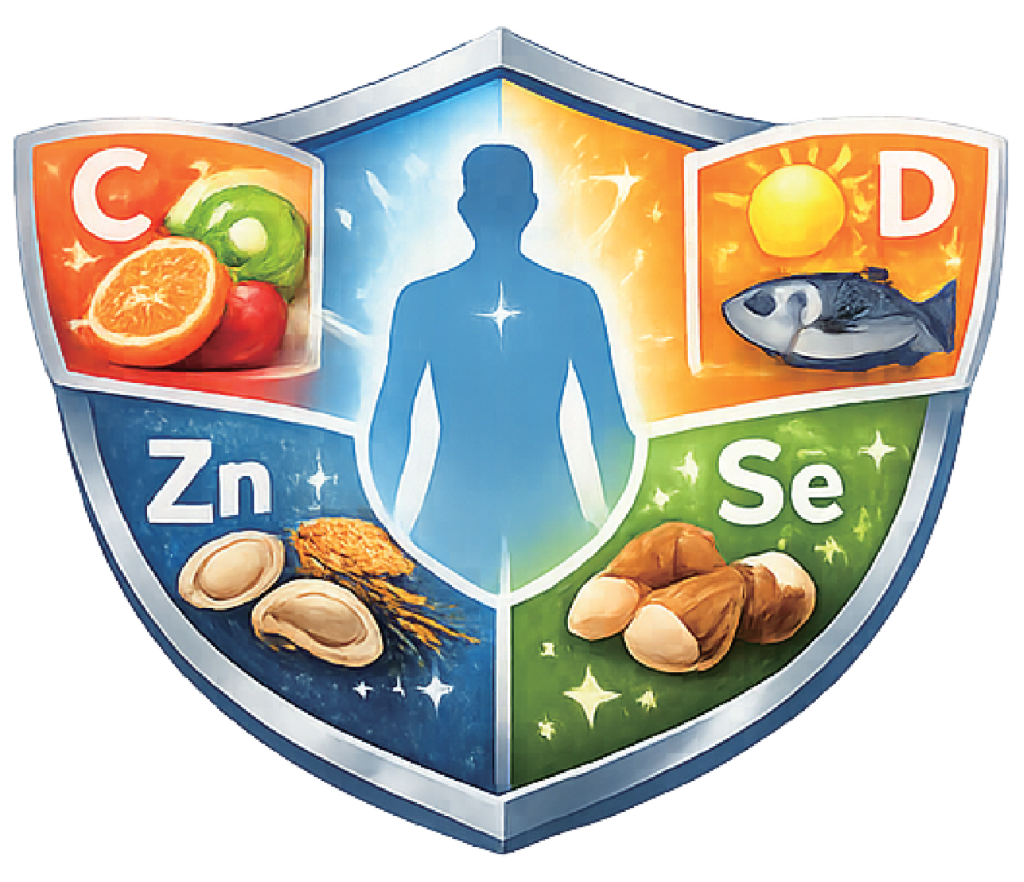
✅ Zinc (Zn): Zinc is essential for the normal development and function of immune cells. Good dietary sources include seafood and whole grains.
✅ Selenium (Se): Selenium is a powerful antioxidant that helps reduce oxidative stress in the body. Brazil nuts are one of the richest natural sources of selenium.
✅ Antioxidants: Polyphenols and carotenoids found in colorful fruits and vegetables help neutralize free radicals and protect cells from oxidative damage.
✅ Vitamin C and Vitamin D: Vitamin C supports normal immune responses and is commonly found in citrus fruits and kiwifruit. Vitamin D plays a central role in immune regulation and can be obtained through regular sunlight exposure as well as from fatty fish.
3. The Power of “Whole Foods”: Returning to Nature
A healthy diet isn’t about radical changes; it’s about sustainability. Embracing natural, unprocessed foods in daily life supports long-term health.

✅ Eat More: Fresh produce, whole grains, and high-quality plant and animal proteins.
🚫 Eat Less: Refined sugars, highly processed snacks, and excessive saturated fats.
💡 Pro-Tips: Set a fixed daily goal for vegetable and fruit intake and gradually reduce your reliance on food delivery or processed items.
4. Health Beyond Diet: Don’t Ignore Lifestyle Details
Even with perfect nutrition, your immunity will drop if your lifestyle collapses. Chronic stress and lack of sleep push the body into an “exhaustion state,” giving pathogens an easy opening.

✅ Regular Routine: Go to bed at a consistent time every day to ensure enough sleep for the body’s repair mechanisms.
✅ Moderate Exercise: Physical activity sharpens the sensitivity of immune cells and maintains metabolism.
✅ Positive Mindset: Good emotions are the most powerful catalysts for strong immunity.
Summary: There Are No Shortcuts to Health—Only Consistent Investment
Building a “disease-resistant” constitution doesn’t happen overnight; it is the accumulation of small daily choices. Start by adjusting your dinner tonight—add an extra serving of greens, drink more water, or go to bed 30 minutes earlier. Your body will reward you with a stronger, more resilient version of yourself.
By adopting simple and sustainable practices, gratitude helps stabilize emotions, reduce stress, and make healthy living easier to maintain.